+1 (409) 800-6601
 contact@virtualbuildingstudio.com
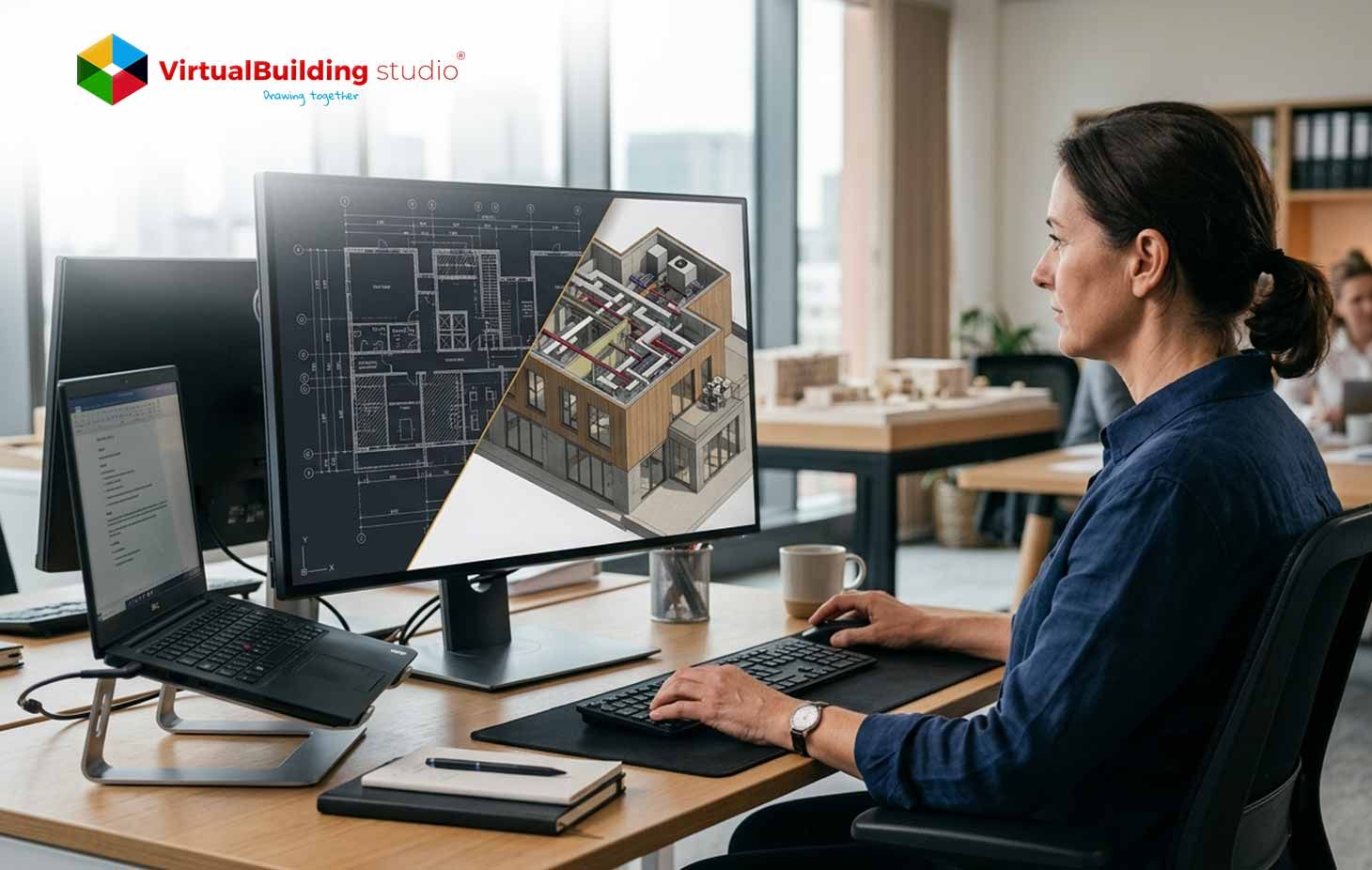
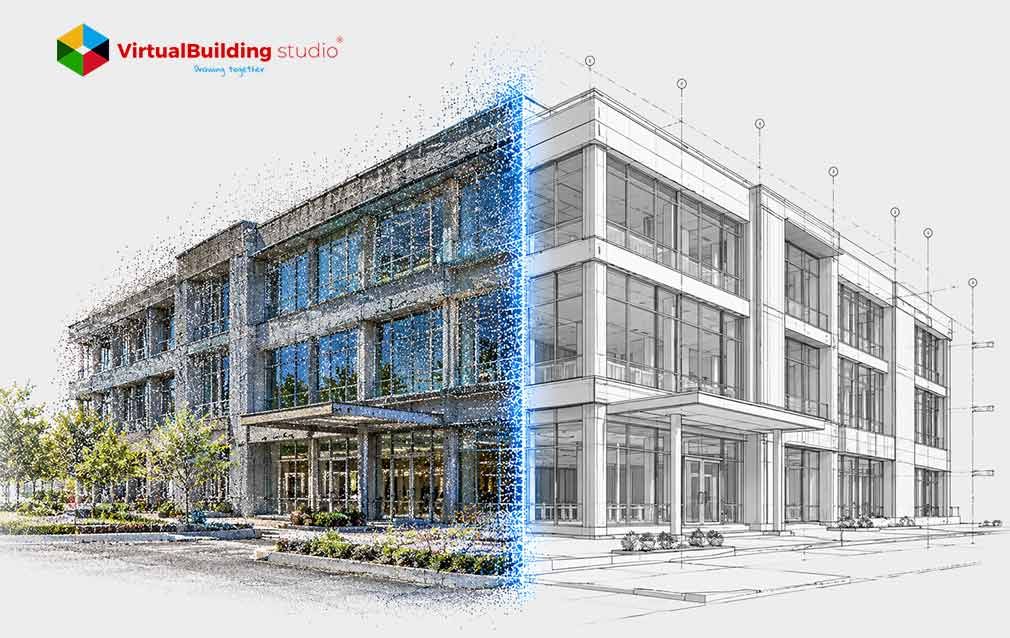
The architecture, engineering, and construction industry has moved through major digital transitions over the past two decades. Manual drafting gave way to AutoCAD which improved drawing accuracy and documentation workflows across the industry. AutoCAD to BIM conversion Services now represent the next critical step in this digital journey. These services transform static 2D drawings into intelligent highly detailed 3D models. Every project phase from initial design to facility management benefits from this advanced workflow.
Modern construction projects involve BIM stakeholders working simultaneously on complex deliverables. All of these professionals need access to accurate real time project data from one central source. Advanced BIM workflows deliver that access through centralized, coordinated digital models. Governments and major project owners across the USA now mandate BIM adoption for large scale infrastructure developments. Firms that invest in this digital transition gain measurable advantages in project coordination, accuracy and client satisfaction.
What Is AutoCAD to BIM Conversion?
The 2D CAD to 3D BIM conversion process transforms traditional geometric drawings into intelligent parametric 3D models with embedded project intelligence. Each element in a BIM model carries properties that go far beyond geometric lines. Those properties include material specifications, cost data, dimensional information, scheduling data and performance parameters tied to each building component.
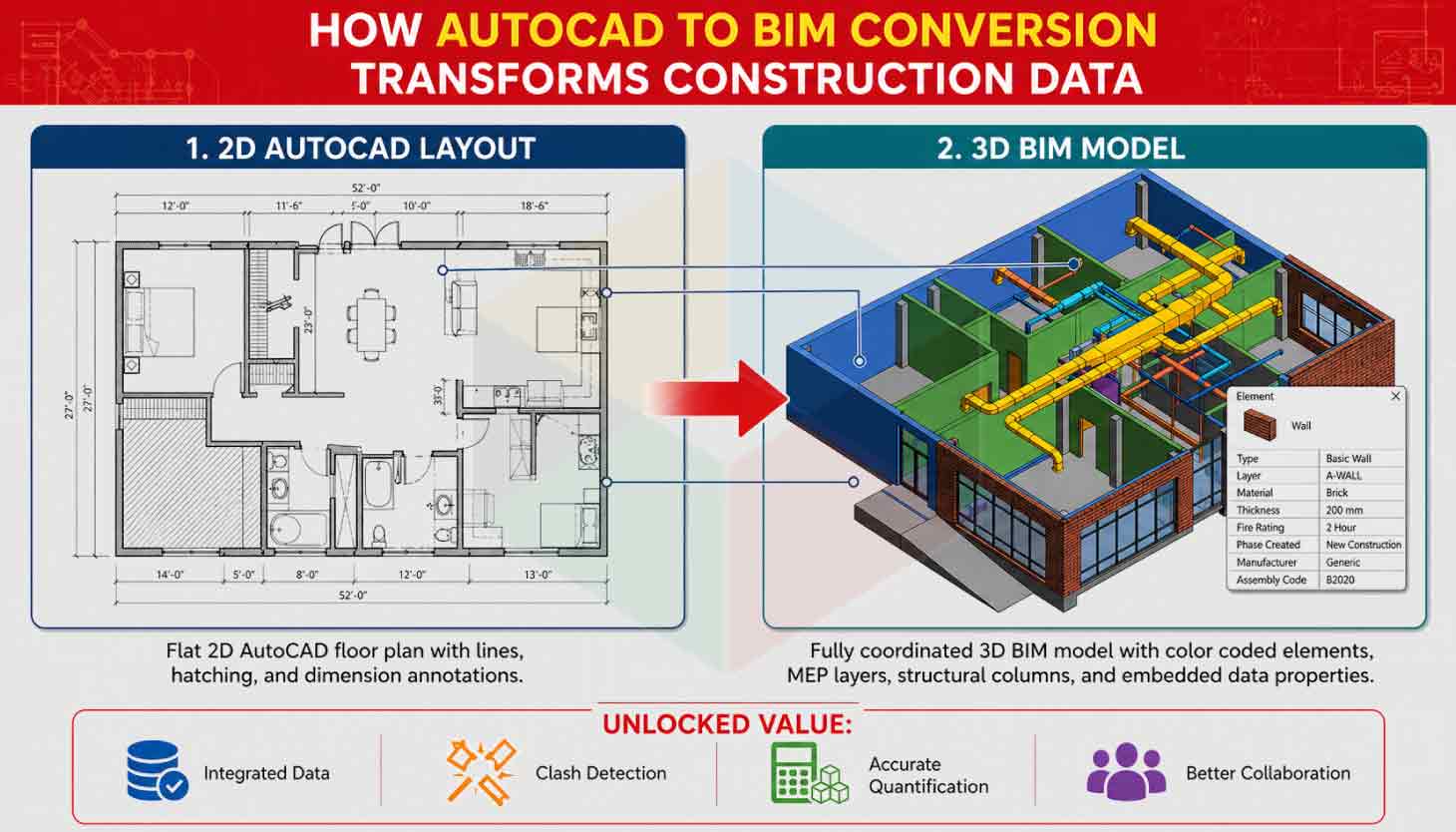
In AutoCAD objects such as lines and arcs represent shapes only. Building elements such as walls, doors and structural beams function as parametric objects with fully embedded project data. This fundamental distinction makes BIM models far more actionable for project planning, coordination and delivery across all disciplines.
Professionals use advanced platforms like Autodesk Revit to execute the conversion process and build coordinated multidisciplinary models. The output combines architectural, structural, and MEP components in one shared digital environment accessible to every project team.CAD to BIM conversion services play a central role in enabling digital transformation across the AEC industry.
Key Differences Between AutoCAD and BIM
Understanding the core differences between AutoCAD and BIM helps AEC firms recognize the full value of digital conversion. AutoCAD creates geometric drawings with speed and drawing accuracy. BIM goes further by embedding actionable project data into every model element, making each component a source of intelligence for decision making.
These differences confirm why BIM conversion services have become a strategic priority for forward thinking AEC firms worldwide. Teams working with BIM models detect coordination issues earlier, collaborate across disciplines more effectively and deliver projects with stronger cost performance and fewer field errors.
Why AutoCAD to BIM Conversion Is Essential Today
CAD to BIM conversion for contractors and architects addresses the fundamental challenge of growing project complexity. Large infrastructure projects involve dozens of disciplines, thousands of design components and multiple geographic teams working concurrently. A centralized BIM model gives every stakeholder one accurate current source of project information throughout all phases. This centralization eliminates version control issues and outdated drawing distribution problems from the workflow.
BIM also supports sustainability analysis and energy performance modeling directly during the design phase. Project teams can analyze material usage, energy consumption, and environmental impact within the model itself. This capability supports green building certification goals and aligns projects with the growing environmental standards across the USA and international markets.
Regulatory requirements and project owner expectations across multiple markets now push firms firmly toward BIM adoption. The USA, UK, Australia and Singapore already mandate BIM for government funded construction projects. Project stakeholders demand better coordination, fewer field errors and faster project delivery. Firms that invest in structured BIM workflows position themselves for consistent project success and stronger client retention.
Benefits of CAD to BIM Conversion for Construction Projects
Research from Construction Management and Economics shows that BIM adoption reduces design errors by approximately 40% compared to traditional CAD workflows on AEC projects.(Construction Management and Economics Journal).
A 2026 study referenced in peer-reviewed BIM academic research reports that 3D integrated modeling improves overall construction project efficiency by up to 32% on large-scale infrastructure builds. ( International Journal of Project Management)
Industry leading BIM modeling services providers deliver these results to AEC firms through structured, discipline-specific conversion workflows. Each benefit compounds across project phases to produce measurable improvements in delivery performance, cost control, and client outcomes.
Key Benefits of CAD to BIM Conversion
- 3D Visualization: Stakeholders view realistic building representations and identify design issues early in the process, improving client approval cycles.
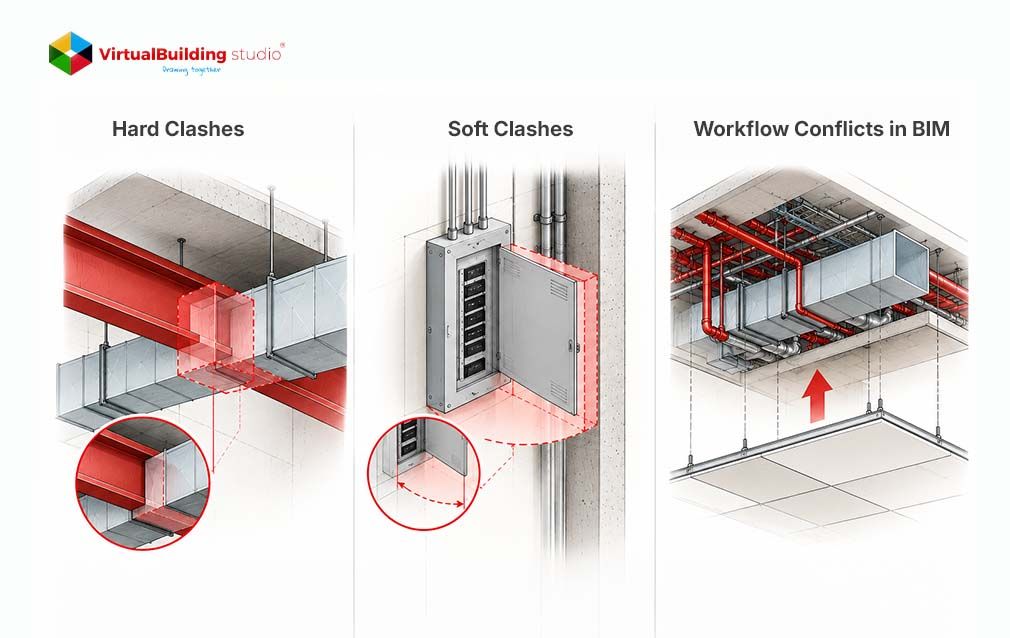
- Clash Detection: Teams detect and resolve conflicts across architectural, structural, and MEP systems before construction begins, eliminating costly surprises.
- 5D Cost Estimation: Embedded quantity data generates accurate material takeoffs and precise budget projections tied directly to model elements.
- 4D Scheduling: Project managers visualize and optimize construction timelines through time-integrated BIM models, reducing schedule overruns.
- Lifecycle Management: BIM models serve as digital assets for facility operations, maintenance planning, and future building upgrades.
- Reduced Rework: Early conflict resolution eliminates costly field changes and delays that derail construction schedules.
Cost and ROI of AutoCAD to BIM Conversion in the USA
AutoCAD to BIM conversion Cost depends on several project specific factors that firms should evaluate before starting the conversion process. Project size, building type, Level of Detail requirements, and delivery timelines all shape the final investment amount. Residential projects carry different pricing structures than large commercial or industrial developments. LOD specifications range from LOD 100 for conceptual models to LOD 500 for full as-built documentation.
The long term ROI of BIM conversion consistently delivers strong financial returns that exceed the upfront investment. Firms gain reduced rework costs, faster project timelines, improved resource allocation and lower operational expenses throughout the building's lifespan. BIM models also function as valuable digital assets for facility teams managing ongoing operations, maintenance, and future renovation planning. Every dollar invested in BIM conversion generates compounding savings across design, construction, and facility operations phases.
In-House vs Outsourced CAD to BIM Services
Many firms evaluate in-house BIM conversion against outsourcing at the start of their digital transformation journey. Teams require investment in software licenses, hardware infrastructure, and ongoing staff training programs. The learning curve for advanced Revit and BIM coordination workflows adds considerable time and operational cost to the initial transition period. Scaling capacity for large or complex projects demands further investment in personnel and resources.
Partnering with a Reliable AutoCAD to BIM outsourcing partner removes those infrastructure barriers entirely. Outsourced teams bring ready expertise, current BIM tools and proven delivery processes to every project. Firms receive detailed BIM models at a fraction of the cost of building and maintaining internal conversion capabilities from scratch.
Explore the full Benefits of Outsourcing CAD To BIM Services to understand how outsourcing accelerates digital adoption and improves project profitability. Expert outsourcing teams handle all technical conversion work with accuracy and speed. Internal project professionals stay fully focused on client relationships and core project responsibilities.
How to Choose the Right CAD to BIM Conversion Partner
Selecting the right conversion partner directly shapes the success of BIM implementation across the organization. Firms should evaluate providers across multiple criteria before committing to a long term professional relationship. A strong provider brings technical expertise, clear communication standards, and a demonstrated history of high quality project delivery across different building types and project complexities.
A qualified partner delivers expert Revit modeling services and guides firms through every stage of the BIM adoption process. Strong partnerships consistently produce faster project timelines, fewer coordination errors and greater overall project profitability across all building types and delivery scales.
A qualified partner delivers expert Revit modeling services and guides firms through every stage of the BIM adoption process. Strong partnerships consistently produce faster project timelines, fewer coordination errors and greater overall project profitability across all building types and delivery scales.
Conclusion
AutoCAD to BIM conversion services delivers measurable improvements in project coordination, design accuracy, and lifecycle management for AEC firms worldwide. Teams that invest in this digital workflow gain access to parametric models, real time collaboration tools, and advanced clash detection capabilities across all disciplines. BIM conversion services support projects from initial design through construction and facility operations, delivering value at every phase.
The growing complexity of construction projects makes structured digital conversion an important capability for firms that seek consistent project delivery. AEC professionals who adopt this workflow position themselves for stronger performance across design, construction and facility management phases.

Ready to Transform Your Construction Projects?