 +1 (409) 800-6601
 contact@virtualbuildingstudio.com

Structured Documentation Review
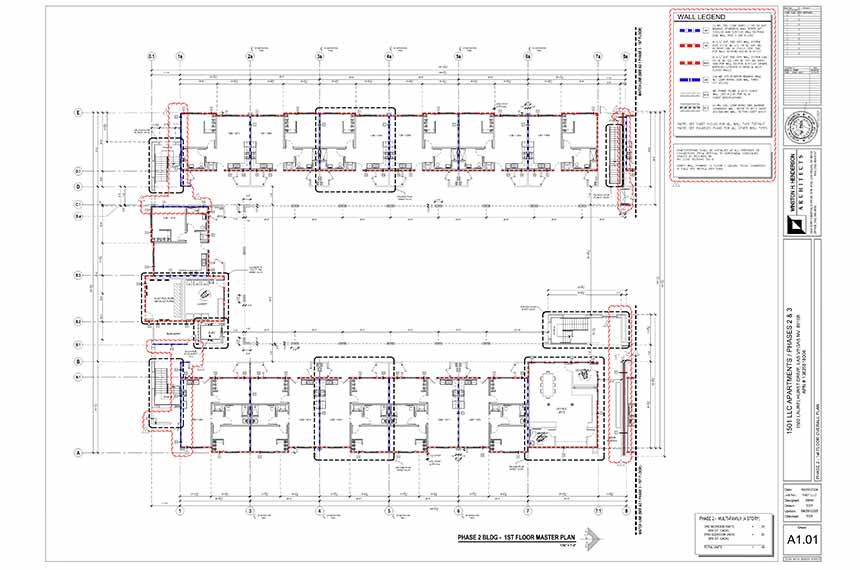
Audited AutoCAD drawings based on comments and created a consolidated RFI list to resolve conflicts before production.

From resolving drawing discrepancies to developing facade options and realistic 3D renders, the 225,624 sq.ft. residential project progressed through a structured workflow.

A Las Vegas-based architectural design firm engaged our team to support documentation review and design visualization for a multi-family apartment development. The project was executed through a dedicated remote architect embedded within the client's workflow, enabling fast iteration on documentation updates and facade visualization while maintaining continuous coordination.
The result was a clean documentation set and a compelling visual package that enabled the client to move confidently into design approvals and next-stage development.
 Level of Development LOD 200
 Project Area 225,624 Sq.Ft.
 Location Las Vegas, NV
 Manpower Used 3 Resources
.jpg)
Delivery ran in Autodesk Revit, Lumion, and AutoCAD so outputs landed in the same platforms your team already uses for documentation and design reviews.
 Autodesk Revit
 Lumion
 AutoCAD
From mark-up-heavy CAD sets to coordinated drawings and photorealistic renders, every input was transformed into decision-ready output.
These four constraints shaped the engagement and drove a documentation-first, visualization-led approach.
Existing drawings had inconsistencies that needed correction before the project could progress to production.
Multiple facade and material options were needed with no clear visual reference to start decision-making from.
Fast onboarding and precise understanding of requirements were critical from day one of engagement.
Visuals had to serve both technical approvals and marketing needs simultaneously.
A remote architect embedded in the client's workflow closed gaps from redlines through renders.
Audited AutoCAD drawings based on comments and created a consolidated RFI list to resolve conflicts before production.
Incorporated technical and graphical mark-ups into AutoCAD files, ensuring layer consistency and coordination.
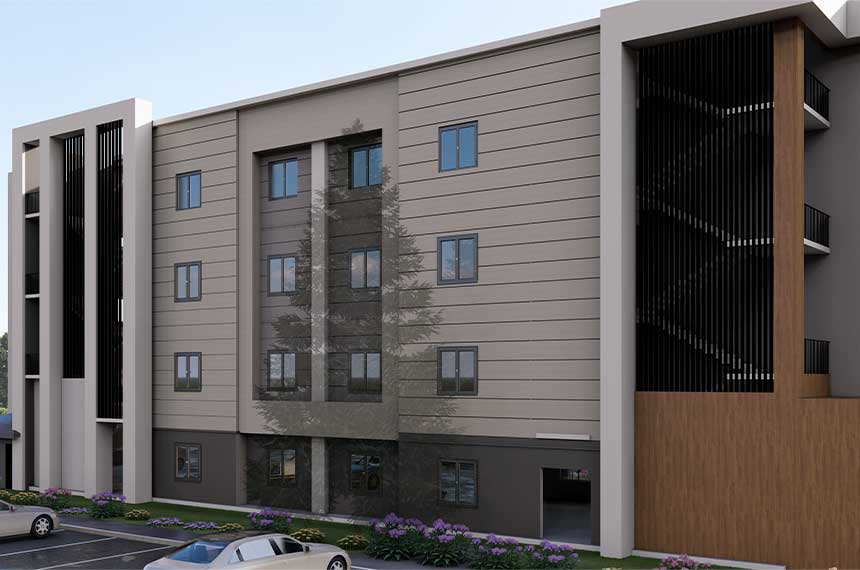
Created 3D facade models in Revit on client references, U.S. standards, exploring materials & massing through iterative reviews.
Exported Revit models to Lumion for photorealistic renderings and delivered interior, exterior packages for approvals and marketing.
A Structured Delivery Workflow - Phase by Phase
The project progressed through a structured delivery workflow. Beginning with documentation audit and RFI consolidation, followed by coordinated drawing updates, BIM facade development, and final visualization.
Documentation Review
AutoCAD audit against submission comments to establish a clean baseline before production updates.
Documentation Review
AutoCAD audit against submission comments to establish a clean baseline before production updates.
Query Resolution
RFI consolidation and conflict resolution so open questions were closed before drawings advanced.
Query Resolution
RFI consolidation and conflict resolution so open questions were closed before drawings advanced.
Drawing Updates
Mark-up incorporation and coordination across the set to deliver consistent, submission-ready sheets.
Drawing Updates
Mark-up incorporation and coordination across the set to deliver consistent, submission-ready sheets.
3D Building Modeling
Revit BIM facade model construction aligned with client references and U.S. project standards.
3D Building Modeling
Revit BIM facade model construction aligned with client references and U.S. project standards.
Material & Elevation Development
Multi-option massing and material studies refined through iterative client review cycles.
Material & Elevation Development
Multi-option massing and material studies refined through iterative client review cycles.
Final Visualization
Lumion renders for approvals and marketing, covering both exterior and interior packages.
Final Visualization
Lumion renders for approvals and marketing, covering both exterior and interior packages.
A coordinated documentation workflow combined with structured design development enabled smoother decision-making and clear visualization outcomes.
Resolved cross-document discrepancies, delivering a coordinated, submission-ready drawing set aligned with project requirements.
Developed Revit-based facade alternatives with varied material and massing options, accelerating design decisions.
Produced photorealistic exterior and interior renders ready for permit approvals and marketing campaigns.
Finalized a construction-feasible facade design through structured workflow and iterative client review cycles.
Ensured full documentation accuracy through a maintained RFI resolution log before advancing to visualization.
Enabled seamless progression from documentation through Revit modeling to final render delivery.
Let's discuss your requirements and see how our expertise can help on your next project.