Speed to market defines data center ROI. Every week of operational delay costs measurable revenue. Data center owners measure success by how quickly a facility reaches live status. Faster delivery creates earlier income generation. Investors prioritize time above all other project metrics. The margin between profit and loss often rests entirely on the go-live date.
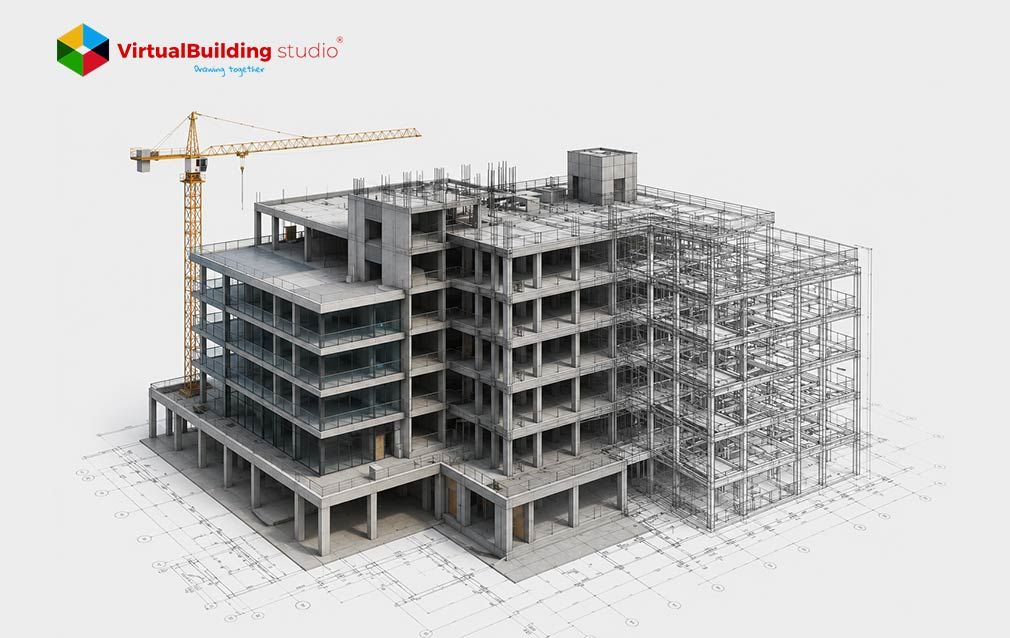
Fast-track delivery overlaps design phases with construction to shorten the total project duration. Teams begin construction before design reaches full completion. This strategy accelerates timelines considerably across all phases. Building Information Modeling transforms this approach into a controlled digital process. All stakeholders gain access to a shared environment that supports real-time decisions throughout each stage.
Why Data Center Projects Get Delayed
Data center construction involves multiple interdependent systems. Each system must align with the others before the facility becomes operational. Late coordination between disciplines creates design gaps across all trade packages. These gaps surface during execution to disrupt activity sequences across the entire site. The cost of late discovery compounds rapidly as more trades become affected.
Rework in critical zones causes the most severe schedule disruptions. Server rooms leave minimal room for field adjustments. Ceiling service corridors face the same spatial constraint. Equipment installation stalls when clearances remain unresolved before mobilization. Cooling systems require accurate placement data from the very start of the project.
Common delay triggers include:
- Late MEP coordination between project disciplines
- Rework in server rooms and critical infrastructure zones
- Delayed UPS and cooling unit installation due to unresolved conflicts
- Missing clearances for mechanical and electrical equipment
- Misaligned structural and MEP design across trade packages
- Equipment deliveries arriving ahead of prepared installation zones
Where Time Is Lost
Construction teams lose schedule hours whenever design conflicts appear on site. Each unresolved conflict demands a work stoppage that impacts multiple trade packages simultaneously.
Clash Resolution During Construction
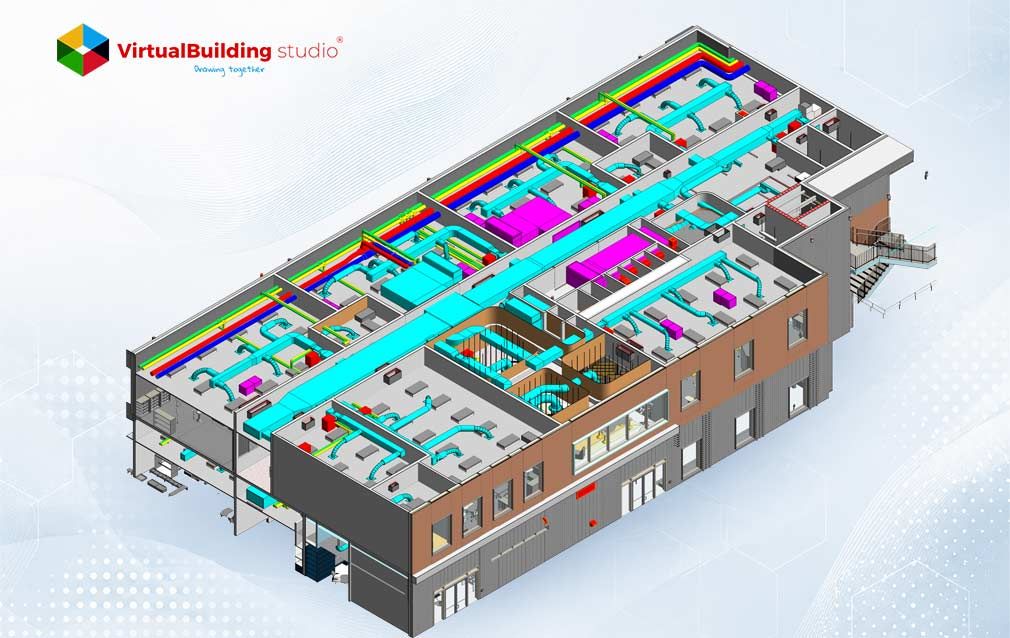
On-site clash resolution consumes labor hours and disrupts active construction schedules. Teams discover conflicts between structural elements and MEP systems during live work phases. The discovery forces all connected activities to halt until the team resolves each issue. Early digital coordination removes this risk from the construction phase entirely. BIM Clash Detection for Fast Projects allows design conflicts to surface in the model months before site mobilization. Teams that resolve clashes digitally save weeks of field resolution time on every project.
Installation Conflicts Between Trades
Overlapping ductwork and cable trays create site bottlenecks during active installation. Multiple trades compete for the same spatial zones throughout construction phases. Productivity drops as crews wait for coordination teams to issue resolution instructions. Pre-sequenced plans developed within BIM environments eliminate these conflicts before physical work starts. Every crew member gains a clear scope of activity from the first day of mobilization.
Re-Routing of Cables and Pipes
Uncoordinated routing decisions force field crews to relocate cables during active construction. Additional labor hours go toward modifications absent from the original schedule. Material consumption rises beyond budget estimates and creates secondary procurement delays. Digital coordination resolves routing paths before any physical installation begins. Teams that complete routing decisions in the model avoid all associated field disruption costs.
How BIM Enables Fast Track Delivery
BIM gives project teams tools to detect conflicts and coordinate systems before construction starts. This proactive capability protects schedule integrity throughout every delivery phase.
Early Clash Detection
BIM identifies conflicts across all major building systems within the digital model. Teams resolve these conflicts during design rather than during active construction sequences. This process removes a primary source of field rework from the project schedule. Project timelines shorten as a direct result of digital conflict resolution completed before mobilization.
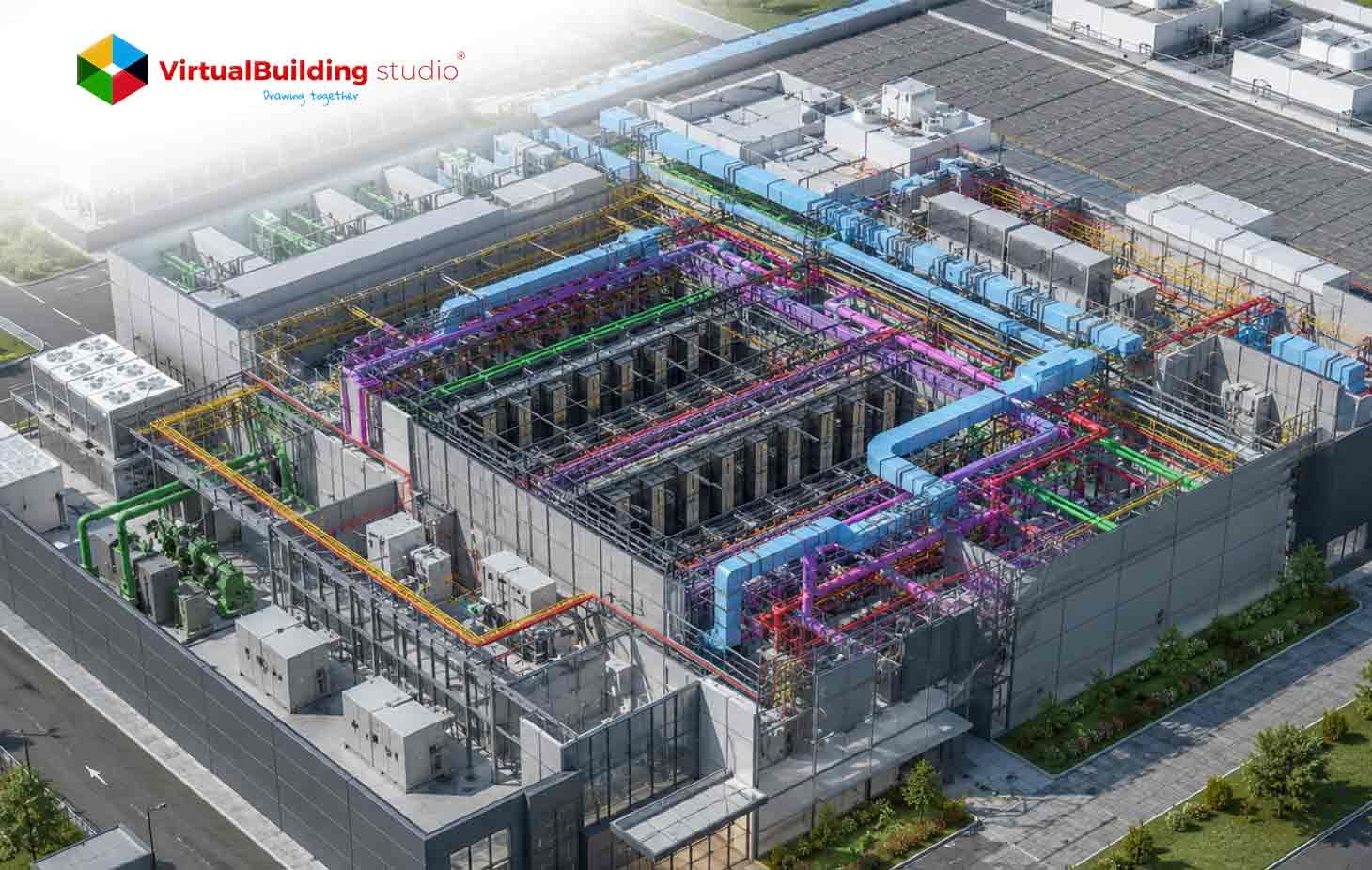
Data center BIM modeling creates a detailed digital representation of the entire facility infrastructure. This model serves as the single source of truth for all coordination decisions throughout the project lifecycle. Every discipline accesses the same information at every stage.
Parallel Design and Coordination
BIM allows all disciplines to operate within a shared digital environment at the same time. Design activities happen in parallel with coordination throughout the delivery process. Real-time collaboration keeps all teams aligned across mechanical, electrical, and structural packages. Schedule compression becomes achievable through this coordinated parallel workflow.
BIM Coordination for Data Centers gives every discipline access to live model updates. Teams see the latest design changes immediately and adjust work sequences accordingly. Miscommunication across trades drops to a minimum because all information flows from one central model.
Fabrication Ready Models
BIM models developed at higher levels of detail support off-site fabrication directly. Manufacturers receive accurate digital information and produce components ahead of site delivery. On-site installation time drops because assemblies arrive ready to place. Field crews install prefabricated units rather than assembling components from raw materials. Schedule gains from offsite production accumulate across every trade package on the project.
Data Center Specific Time Savings
BIM delivers measurable time savings across critical data center workflows. Each construction phase benefits from accurate digital coordination.
Faster Rack Installation
Pre-coordinated rack layouts account for power distribution and airflow requirements. Field crews follow a clear installation sequence from the very start of mobilization. Installation time drops because every dimension aligns with the digital model data. Teams complete rack deployment ahead of traditional schedule benchmarks as a consistent outcome. Spatial planning completed in the model translates directly into faster physical execution.
MEP Data Center Services support the full coordination workflow from design through rack installation. Experienced MEP teams apply BIM data to deliver faster installation outcomes on every project.
Reduced Downtime During Commissioning
Virtual system testing through BIM reduces field adjustments during the commissioning phase. Teams identify performance issues in the digital environment before systems receive physical activation. Commissioning proceeds faster because crews arrive with accurate system information and verified routing data. Operators receive a fully functional facility on the committed delivery date. BIM-assisted commissioning workflows reduce commissioning phase durations in mission-critical facilities.
Coordination of Cooling and Power Systems
BIM coordinates routing and alignment for cooling and power infrastructure at the same time. Teams confirm spatial clearances before procurement begins and fabrication orders go out. Installation proceeds without field routing conflicts or last-minute modifications. The facility reaches operational readiness within the planned construction schedule.
Digital Twin for Data Centers extends BIM value beyond construction and into operations. Facility teams use the digital twin to monitor system performance and plan future capacity additions throughout the operational life of the building.
Role of 4D BIM in Data Center
4D BIM adds a time dimension to the standard 3D digital model. Project teams visualize construction sequences before any physical work begins on site. This capability allows precise scheduling of every activity across all trade packages. Sequence planning happens at the desk rather than on the live site.
4D BIM accelerates data center delivery through:
- Sequencing electrical and mechanical installations to eliminate spatial conflicts between trades
- Coordinating trade workflows to prevent zone overlap in confined service areas
- Simulating construction progress to identify schedule risks before mobilization
- Aligning procurement timelines with actual site installation sequences
- Providing visual timeline representations that all stakeholders can review and approve
Teams use 4D simulations to confirm that each trade activity follows the correct order. Workflow clashes between disciplines are identified and resolved before any crew mobilizes to the site. BIM for Construction Efficiency reaches its full potential when teams apply 4D scheduling to every delivery phase. The result is a construction environment where every team knows exactly when and where to execute.
Real Impact
BIM implementation in fast-track data center projects reduces overall schedules by 30 to 40 percent. Early adoption of BIM clash detection services and parallel coordination eliminate delays that traditionally extend project timelines. Teams complete more work in less time through structured digital workflows applied from project initiation. The schedule gains complexity across every phase from design through commissioning.
Faster go-live timelines allow operators to generate revenue sooner than originally projected. Every week saved in construction translates directly into additional operational income for the facility owner. Projects delivered ahead of schedule outperform original financial projections consistently. Structured digital coordination makes this performance level achievable on a repeatable basis.
Best Practices
Teams begin coordination at LOD 300 to capture sufficient model detail for accurate clash detection. At this level models contain system geometry, spatial data, and component relationships needed for fabrication. All disciplines align around a single federated model from the earliest coordination milestone. Procurement decisions follow from model data rather than from incomplete design drawings.
Fast Track Data Center Construction demands that all stakeholders commit to model freeze dates before fabrication orders are placed. Freezing models before procurement protects the fabrication process from late design changes. Project teams set a model freeze date early and communicate it to all trade contractors. This discipline keeps fabrication timelines aligned with site installation activities.
MEP Coordination Challenges in Data Center Projects often arise from late changes and missing coordination milestones. Teams that apply LOD 300 coordination and model freeze disciplines avoid the most scostly schedule disruptions. Proactive planning removes the conditions that create field-level delays.
Conclusion
Fast-track data center delivery demands coordination accuracy at every phase. BIM provides the digital framework that supports this accuracy from design through commissioning. Teams detect conflicts early, coordinate systems in parallel, and deliver fabrication-ready information to manufacturers ahead of schedule. Data centers built through structured BIM workflows achieve schedule reductions of 30 to 40 percent.
This performance reflects the real value of BIM coordination services in mission-critical construction. The discipline of applying BIM correctly produces facilities that reach live status faster with fewer field disruptions. Project teams that commit to structured execution gain a repeatable advantage across every data center delivery.
Don’t Let Delays Slow You Down, Unlock Faster Data Center Construction with BIM