 +1 (409) 800-6601
 contact@virtualbuildingstudio.com

Independent Model Development
Architectural and Structural models were developed from the ground up using the available IFC model, construction drawings, and applicable standards.

From incomplete inputs to coordinated Structural and Architectural BIM models delivery for a 20,800 sq. ft. public Safety facility in Atlanta, GA

A multidisciplinary engineering consultancy in Atlanta engaged our team to develop fully coordinated Structural and Architectural BIM models for a 20,800 sq. ft. two-story institutional facility. Updated models were never made available by the broader design team, creating a critical coordination gap at the Construction Documents stage.
We deployed a dedicated BIM team, including an Architect, a Structural Engineer, and a Project Manager. Working from the available IFC model and issued construction drawings, the team independently developed all discipline models. Construction-ready content was delivered alongside high-quality Lumion renderings.
 Level of Development LOD 300
 Project Area 20,800 Sq.Ft.
 Location Atlanta, GA
 Manpower Used 3 Resources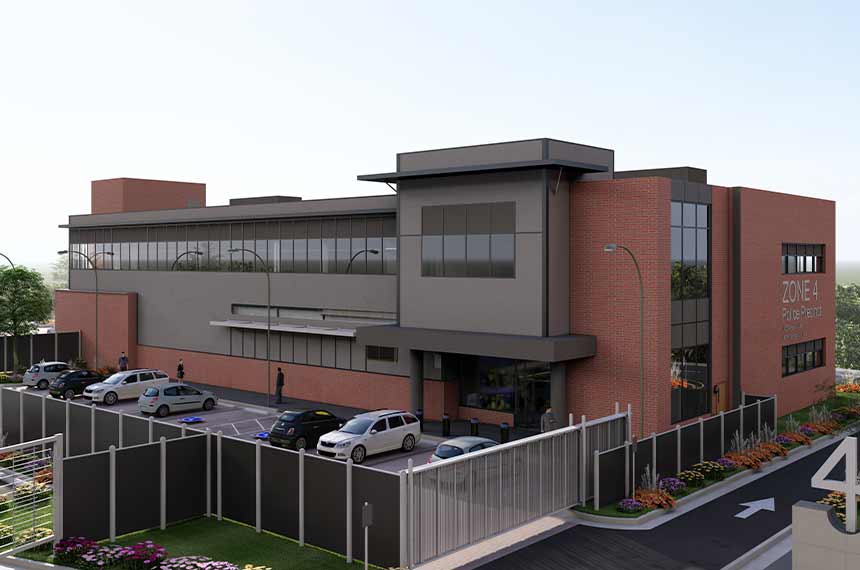
Delivery ran in Autodesk Revit and Lumion so coordinated models and visuals landed in platforms the project team already uses.
 Autodesk Revit
 Lumion
From limited IFC and drawing inputs to coordinated multi-discipline BIM models and visualization outputs.
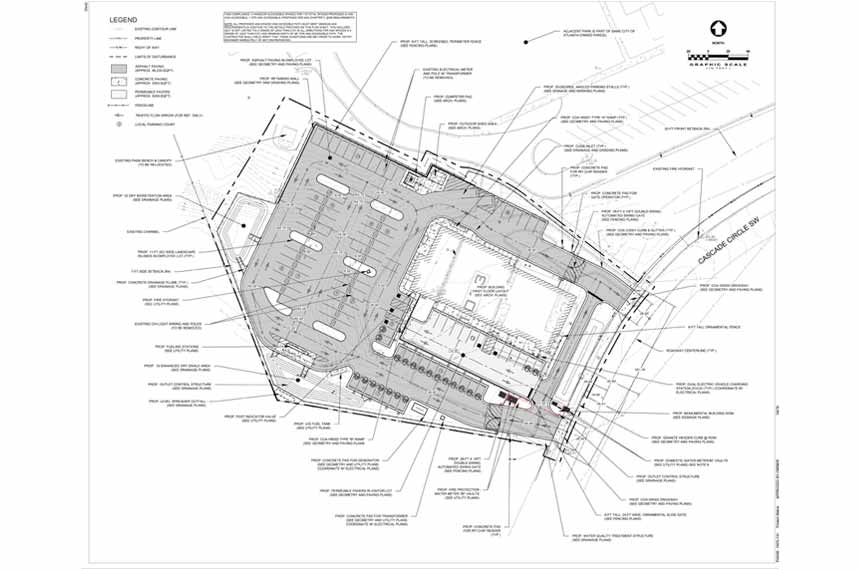
Missing and outdated discipline models blocked coordination at CD stage and put documentation accuracy at risk.
The design team did not provide updated Architectural, Structural, or MEPF models at the CD stage, leaving the client without a coordinated model set.
The architectural model had limited revisions and did not reflect the latest construction drawings, making it unreliable for coordination or documentation.
Structural and MEPF models were not shared by the design team, leaving no baseline for building, coordinating, or validating engineering systems.
Interdisciplinary coordination stalled without updated models across all three disciplines, hindering discrepancy identification and resolution.
Proceeding with outdated or incomplete models risked propagating errors into construction documentation, permit packages, and contractor-facing deliverables.
The client's team could not rebuild and coordinate three discipline models while handling ongoing engineering and client responsibilities.
An independent multi-discipline BIM team rebuilt models from available inputs and locked coordination through structured QC.
Architectural and Structural models were developed from the ground up using the available IFC model, construction drawings, and applicable standards.
The available model was reviewed against revised PDFs. Missing walls, outdated elements, and furniture mismatches were corrected floor by floor.
The complete structural model was developed independently, covering framing, beams, columns, connections, and wall footings, with attention to complex junction conditions.
A comprehensive coordination list was prepared at project outset, documenting all issues, responsible disciplines, and required actions for a traceable process.
Formal clarification requests were raised and documented for ambiguous items before modeling decisions were finalized and validated.
Coordination items were distributed across a structured daily work plan, with dedicated QC hours allocated before each submission for accuracy.
End-to-End Project Delivery Through a Phase-Controlled Approach
The project was delivered across sequential stages, with each phase reviewed and confirmed before the team advanced. This phase-gated approach ensured that model content, coordination items, and client approvals were progressively locked in, reducing rework and maintaining forward momentum.
Project Review and Coordination
Project Review and Coordination
Project Review and Coordination
Project Review and Coordination
Client Mark-Ups and Model Updates
Client Mark-Ups and Model Updates
Client Mark-Ups and Model Updates
Client Mark-Ups and Model Updates
Structural and Building Modeling
Structural and Building Modeling
Structural and Building Modeling
Structural and Building Modeling
Material, Elevation, and Visualization Development
Material, Elevation, and Visualization Development
Material, Elevation, and Visualization Development
Material, Elevation, and Visualization Development
Visualization Production and Final Rendering
Visualization Production and Final Rendering
Visualization Production and Final Rendering
Visualization Production and Final Rendering
Final Delivery and Submission
Final Delivery and Submission
Final Delivery and Submission
Final Delivery and Submission
End-to-end coordinated BIM delivery with validated models, resolved design gaps, and structured phase-gated execution.
Delivered fully coordinated Architectural and Structural models at LOD 300.
Documented all multidisciplinary discrepancies in a structured coordination list.
Resolved first and second floor architectural discrepancies against latest drawings.
Developed complete structural model from scratch, including complex junction conditions.
Produced exterior renderings and BIM marketing visuals within tight timelines.
Maintained QC-verified, phase-gated delivery across four structured project stages.
Let's discuss your requirements and see how our expertise can help on your next project.