 +1 (409) 800-6601
 contact@virtualbuildingstudio.com

Dedicated Documentation Team
A dedicated team was assigned to handle ongoing documentation and coordination tasks, ensuring consistency in output and alignment with the firm's standards and workflow.

Supporting a 58,176 sq. ft. commercial retail project with dedicated documentation capacity across design, coordination, and construction documentation phases.

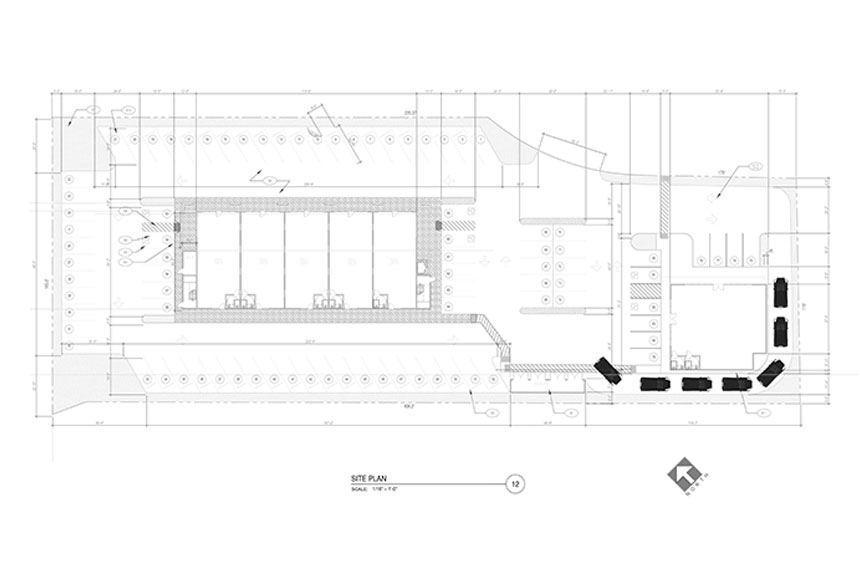
A mid-sized architecture firm in California, specializing in commercial design and land consulting, operates with a lean internal team and typically handles 5–6 commercial projects annually. While manageable during early design stages, documentation workload increases significantly during Design Development and Construction Documentation phases. For this 58,176 sq. ft. single-floor commercial project with multiple retail units, the firm required additional documentation capacity to meet permit and construction deadlines.
Without external support, the internal team would have faced delays in drawing production, increased coordination risks, and a potential impact on project timelines. A dedicated documentation team was assigned to support model development, drawing production, and coordination, aligning with the firm's standards and workflow across all project phases.
 Level of Development LOD 350
 Project Area 58,176 Sq.Ft.
 Location California, USA
 Manpower Used 2 Resources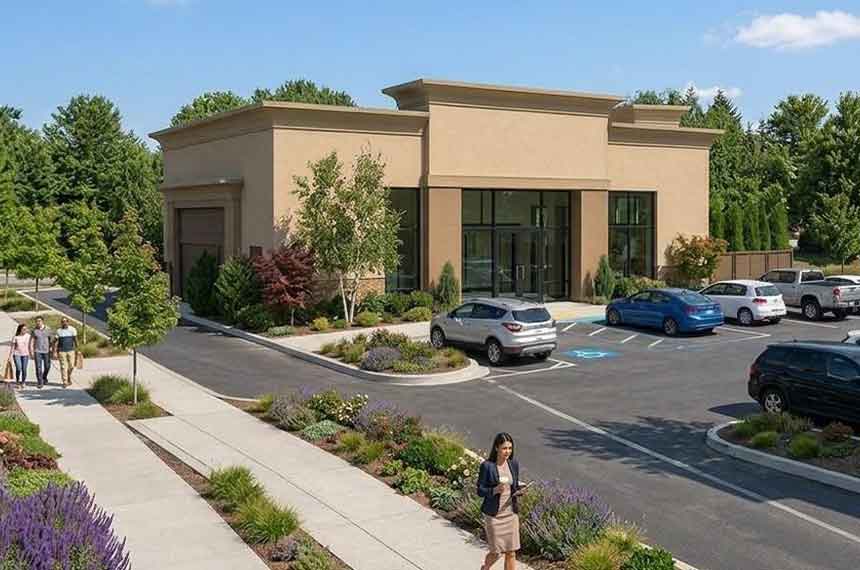
Documentation and coordination ran across Revit, AutoCAD, Navisworks, BIM 360, and visualization tools already used by the client team.
 Revit
Revit AutoCAD
 Navisworks
 BIM 360
From as-builts, redlines, and standards to clash-free BIM models, CD sets, and permit-ready documentation packages.
Peak DD/CD workload and inconsistent external documentation support made capacity and standards the core challenges.
Maintaining a full-time in-house documentation team was difficult to justify due to fluctuating project workload, especially during DD and CD phases.
During DD and CD stages, documentation workload increased significantly, creating pressure on the internal team to meet permit submission and issue deadlines.
Previous external teams were able to produce drawings but struggled to follow the firm's documentation standards, resulting in rework, misalignment, and coordination issues.
The firm required consistent documentation standards, coordinated BIM models, and structured QA processes to ensure permit-ready and construction-ready drawing sets across all phases.
A dedicated documentation team applied client standards, continuous redline management, and phase-wise review cadence.
A dedicated team was assigned to handle ongoing documentation and coordination tasks, ensuring consistency in output and alignment with the firm's standards and workflow.
Standard templates, family libraries, and QA check processes were implemented to maintain uniformity and accuracy across drawing sets and project stages.
Redline updates, model revisions, and coordination tasks were managed continuously to ensure drawings remained accurate, updated, and aligned with design intent.
Phase-wise and weekly reviews ensured alignment with project expectations, reduced rework, and maintained consistency throughout the documentation process.
A Structured Documentation Workflow - Phase by Phase
Delivery moved from scope and tooling alignment through SD, DD, permit, CD production, and final clash detection review.
Scope Briefing and Tool Alignment
Scope Briefing and Tool Alignment
Scope Briefing and Tool Alignment
Scope Briefing and Tool Alignment
Schematic Design and 3D Development
Schematic Design and 3D Development
Schematic Design and 3D Development
Schematic Design and 3D Development
Design Development and Redline Incorporation
Design Development and Redline Incorporation
Design Development and Redline Incorporation
Design Development and Redline Incorporation
Permit Drawing Preparation
Permit Drawing Preparation
Permit Drawing Preparation
Permit Drawing Preparation
Construction Document (CD Set) Production
Construction Document (CD Set) Production
Construction Document (CD Set) Production
Construction Document (CD Set) Production
Clash Detection, Review and Final Delivery
Clash Detection, Review and Final Delivery
Clash Detection, Review and Final Delivery
Clash Detection, Review and Final Delivery
Dedicated documentation capacity delivered consistent turnaround, LOD 350 coordination, and permit-ready packages without expanding the client's internal team.
Maintained consistent 3 to 4-day turnaround across documentation tasks.
Delivered complete construction documentation sets across all phases.
Developed coordinated BIM models at LOD 350 with permit-ready outputs.
Reduced rework through standardized documentation and QA processes.
Managed peak workload without expanding the internal team.
Improved coordination and maintained consistency across project lifecycle.
Let's discuss your requirements and see how our expertise can help on your next project.